
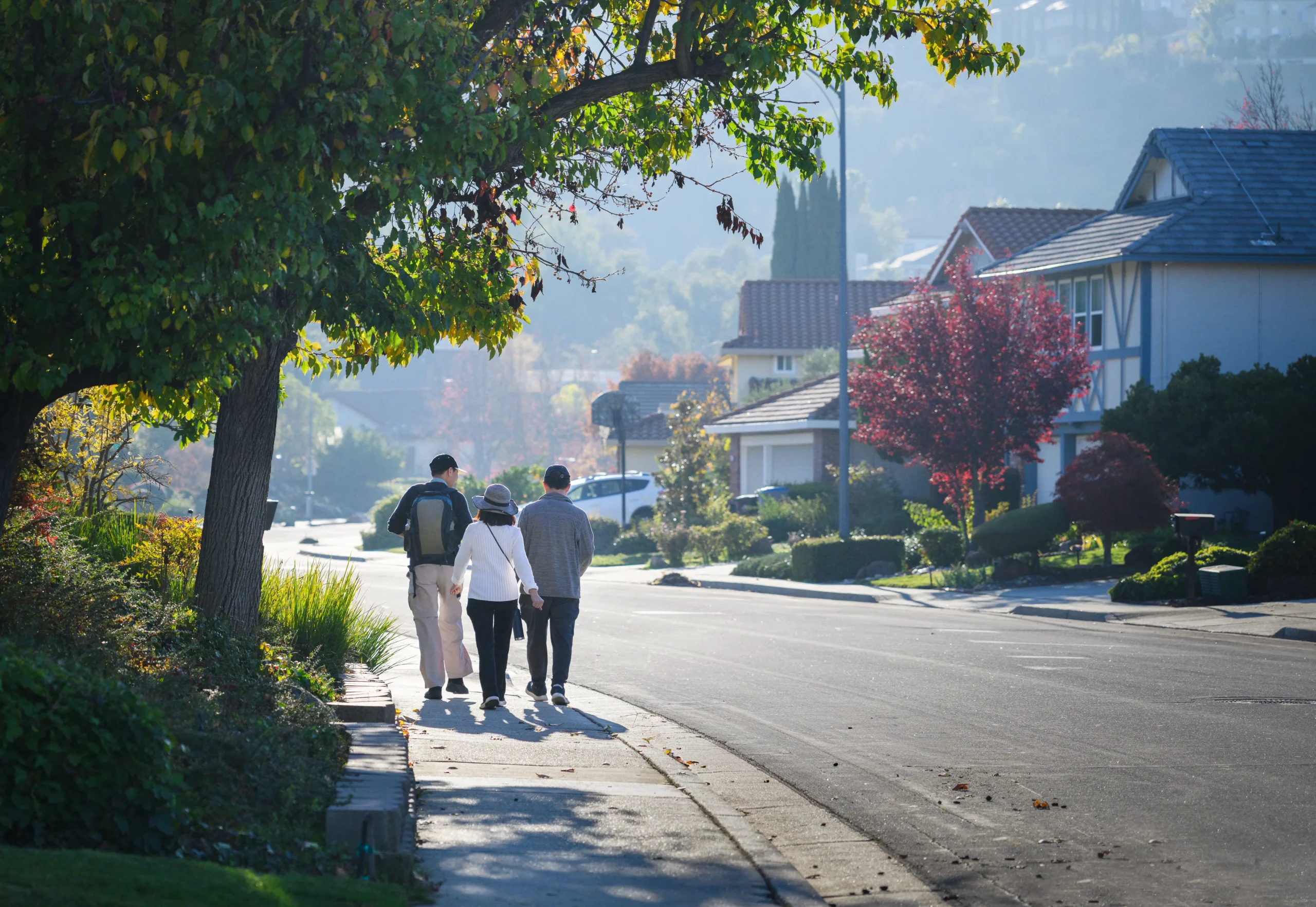
Trees are an important part of many Bay Area landscapes, offering shade, beauty, and long-term property benefits. Maintaining their health requires consistent care beyond simple trimming. Proper moisture management, pruning, inspections, and preventative services can help trees withstand environmental stress and avoid serious problems.
For homeowners, understanding the basics of tree care is an important part of protecting their landscape investment. This homeowner’s guide to tree care provides helpful information for maintaining healthy trees in San Jose, CA, including climate considerations, maintenance schedules, warning signs of tree problems, and when professional help may be needed.
Whether you need a San Jose, CA tree care guide or a broader Bay Area tree care guide, these tips can help you protect your trees year-round.
Understanding the San Jose, CA Climate and Tree Care
San Jose, CA’s Mediterranean climate creates unique challenges for tree health. Warm, dry summers and periods of limited rainfall can put stress on trees, especially those that are not receiving enough moisture. At the same time, occasional heavy rains can affect soil conditions and root health.
Because of these seasonal changes, Bay Area tree care should focus on maintaining proper moisture levels, monitoring tree health, and adjusting maintenance practices throughout the year. Choosing trees that are well-suited for the local environment can also make long-term care easier.
Homeowners can learn more about tree varieties that thrive locally by exploring our guide to the most popular trees in San Jose, CA.
Essential Tree Care Practices for Homeowners
Healthy trees require regular attention throughout the year. While maintenance needs vary depending on the tree species, age, and location, the following practices can help support long-term tree health:
- Watering: Trees need consistent moisture, especially during San Jose, CA’s dry summer months. Deep watering encourages stronger root growth and helps trees withstand drought conditions.
- Trimming: Regular trimming removes dead, damaged, or overgrown branches while helping maintain proper structure and appearance. Professional tree trimming can also reduce safety concerns caused by weak limbs.
- Mulching: A layer of mulch around trees can help retain water, insulate roots from temperature changes, and improve overall soil conditions. Proper application is important to avoid moisture issues or damage to the tree trunk.
- Fertilization: Some trees benefit from additional nutrients, especially when growing in poor soil conditions. Proper fertilization can support healthy growth and improve tree resilience.
- Inspections: Routine tree inspections help identify early signs of disease, pests, structural issues, or declining health before problems become more serious.
For professional trimming services, homeowners can learn more from our tree trimming guide.
DON’T DILLY DALLY,
CALL ALY!
Reach out anytime, we’re here to help.

Don’t hesitate to reach out by sending a message using our form.
How Long Do Trees Live?
Tree lifespan depends on the species, growing conditions, maintenance, and overall health. Some trees may live for decades, while others can survive for many generations when properly cared for.
Understanding where a tree is in its lifespan can help homeowners make informed decisions about maintenance. Younger trees often require more guidance and shaping, while mature trees may need more frequent inspections and structural care.
Signs that a tree may be reaching the end of its life include declining growth, extensive damage, repeated disease issues, dead branches, or major structural problems.
Signs Your Tree May Be Sick or Dying
Trees can experience stress from drought, pests, disease, and environmental changes. Identifying problems early can help prevent further decline. Common warning signs include:
- Dead or falling branches
- Discolored or thinning leaves
- Trunk fractures or splits
- Fungal growth near the base of the tree
- Excessive insect activity
- Leaning or unstable growth
- Areas of decay or soft wood
If you notice these issues, a professional tree inspection can help determine the cause and recommend the appropriate solution.
The Importance of Tree Care
Tree care is one of the best ways to protect your property and avoid costly problems. Regular maintenance helps identify potential hazards before they become emergencies and allows trees to receive the care they need at the right time.
Routine trimming, monitoring for pests, and addressing small issues early can improve tree health while helping reduce the risk of falling branches or property damage.
For additional information on tree maintenance, homeowners can follow our tree care guide. For specific information about palm trees, visit our palm tree guide.
San Jose, CA Tree Policies and Street Trees
San Jose, CA has guidelines regarding certain protected trees, tree removal, and maintenance practices. Before removing or making significant changes to a tree, homeowners should review local requirements and learn more about San Jose, CA tree policies.
Street trees require additional consideration because they are often located near sidewalks, utilities, and public areas. Homeowners should understand their responsibilities and check local requirements before performing work on trees located near public spaces.
Protect Your Bay Area Trees With Professional Tree Care
Investing in proper tree maintenance can protect your landscape, increase curb appeal, and help preserve your property’s value. With the right maintenance plan, homeowners can help their trees remain healthy and attractive for years to come.
Aly’s Tree Trimming & Yard Clean Up provides expert tree care and trimming solutions designed to keep San Jose, CA trees healthy, attractive, and well-maintained. Whether your trees need routine maintenance, trimming, or help addressing potential problems, our team can provide dependable solutions tailored to your property.
Contact Aly’s Tree Trimming & Yard Clean Up today to learn more about professional tree care services and schedule an appointment.


