

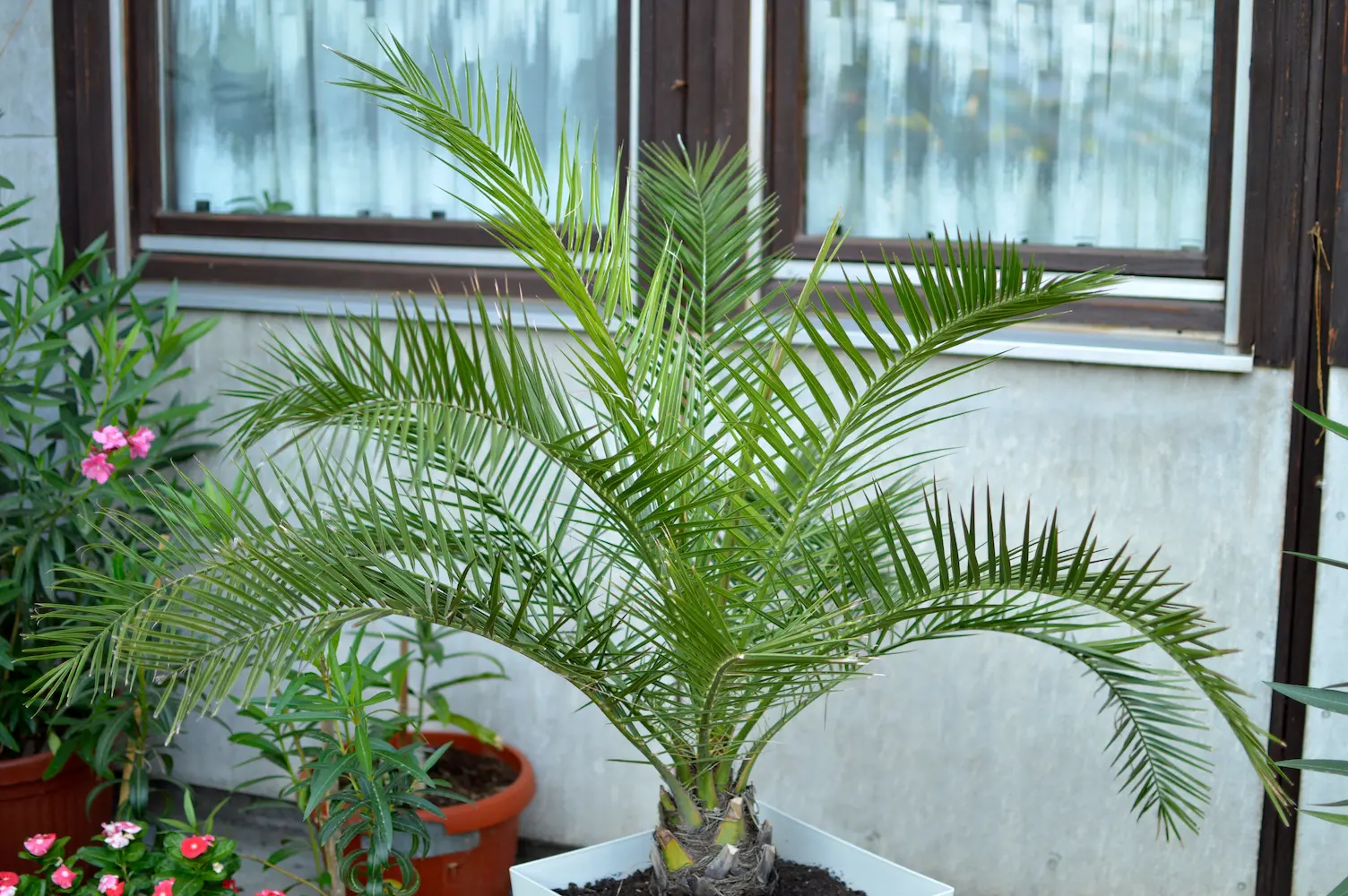
Palms bring that classic California look to any property while thriving in our unique climate.
But we at Aly’s Tree Trimming & Yard Clean Up also see plenty of problems: palms planted too deep, species that can’t handle our cool nights, root systems that damage hardscapes, and transplanting failures that waste thousands of dollars.
At Aly’s Tree Trimming & Yard Clean Up, we take a stewardship approach to palm tree installation. We plant the right palm, in the right place, and in the right way.
Palm Trees Are Perfect for San Jose, CA (and Here’s Why!)
San Jose, CA sits in a sweet spot for palm cultivation. Our climate delivers warm, dry summers and mild winters that many palm species love. We rarely see the hard freezes that kill palms in other parts of the country. The long growing season here also gives palms plenty of time to establish strong root systems.
But what many local homeowners don’t realize is that San Jose, CA actually contains dozens of microclimates. A palm that thrives in the warm Almaden Valley might struggle in the cooler, foggier conditions near the bay. Hillside properties face different wind exposure than valley floor locations. South-facing yards get significantly more heat than north-facing ones.
This is why species selection matters so much. A palm that looks beautiful at the nursery can become a maintenance nightmare if it’s not matched to your microclimate.
The Best Palms to Plant in San Jose, CA
- Mediterranean fan palms are the most reliable choice for San Jose, CA properties. This multi-trunked palm handles our cooler nights, tolerates drought once established, and rarely grows taller than 15 feet.
- Mexican fan palm delivers that classic tall, slender silhouette many homeowners picture when they think of California palms. These trees can reach 80 feet or more
- Queen palm offers graceful, feathery fronds and moderate height, typically reaching 30 to 50 feet at maturity. They grow relatively quickly and create excellent filtered shade.
- Pygmy date palm works wonderfully for smaller spaces, containers, and understory planting. These compact palms rarely exceed 10 feet tall and tolerate partial shade better than most palm species.
- California fan palm is our only native palm species. These robust trees handle drought, poor soil, and temperature extremes better than most other species.
- Canary Island date palm creates a bold, tropical focal point with its massive trunk and enormous crown of arching fronds. These palms make stunning specimen trees but demand significant space and maintenance.
For homeowners wondering how to plant a coconut palm, we need to share some honest news: coconut palms require consistently warm temperatures that San Jose, CA can’t provide. Even our mildest winters drop below the threshold that coconut palms need.
Consider the king palm or Kentia palm instead as alternatives. They provide a similar appearance while tolerating our climate.
How to Plant a Palm Tree
If you’re tackling palm tree planting yourself, following proper technique dramatically improves your success rate. Here’s how to plant a palm tree the right way:
- Start by digging the hole. Dig it two to three times wider than the root ball but only as deep as the root ball’s height.
- Examine the roots before planting. Gently remove the container or burlap and look at the root system.
- Set the palm at the correct depth. The root initiation zone, that area where roots emerge from the trunk base, should sit at or slightly above the surrounding soil level.
- Backfill with the original soil (in most cases). Unless your soil has serious drainage problems, using the native soil encourages roots to spread into the surrounding ground rather than staying confined to an amended pocket.
- Create a watering basin around the palm. Build a ring of soil about four to six inches high at the edge of the root ball.
- Water deeply immediately after planting. Fill the basin completely and let it drain. Then fill it again.
- Apply mulch correctly. Spread two to four inches of organic mulch over the root zone, but keep it several inches away from the trunk.
- Stake only when necessary. If your palm is top-heavy or your site is windy, use broad straps or bands rather than wire, which can damage the trunk.
But if you’re planting a palm in a pot, make sure to:
- Choose a container with excellent drainage holes that’s slightly larger than the current root ball.
- Use a well-draining potting mix formulated for palms or outdoor containers.
- Position the palm at the same depth it was growing previously and water until moisture flows from the drainage holes.
Palm Tree Planting vs Transplanting
Planting and transplanting sometimes get used interchangeably, but they’re actually different processes.
New planting involves installing a nursery-grown palm that’s been cultivated specifically for sale. They’re accustomed to being moved and typically establish well when planted correctly.
Transplanting palm trees means digging up an existing palm from one location and moving it to another. This process carries significantly higher risk, especially with mature palms.
When to Plant Palms
The ideal window for palm tree planting in San Jose, CA runs from late spring through early fall. Palms need warm soil temperatures, generally above 65 degrees, to actively grow new roots. So planting during this period allows your palm to establish itself before winter arrives.
One exception to this timeframe is when you’re dealing with container palms. If you’re planting a palm in a pot, you have more flexibility with timing since you can move the container to protected locations during weather extremes.
Local Laws to Consider
San Jose, CA has specific regulations that may affect your palm tree planting project.
- If you’re removing an existing palm to plant a new one, you may need the city’s approval depending on the palm’s size and location.
- Many San Jose, CA neighborhoods fall under HOA governance with additional landscaping guidelines, such as species, height, and placement restrictions.
- Local utility companies also have strict clearance requirements for trees near power lines. So tall-growing palms like the Mexican fan palm are often a problem.
At Aly’s Tree Trimming & Yard Clean Up, we coordinate utility locates, city permits, and HOA approvals to keep your palm installation compliant and on schedule. We also consider defensible space requirements for properties in wildfire-prone areas.
We’ve navigated these processes hundreds of times and know exactly what documentation different agencies require.
When DIY Planting Makes Sense vs Professional Help
Small palms (such as the Pygmy date palm) in containers, generally those with trunks under four feet tall, can be planted yourself successfully. The weight is manageable, the hole size is modest, and the risk of damaging the palm during handling is low.
But even small palms can weigh 100 pounds or more with their root balls. Wrestling a heavy plant into a hole and positioning it correctly requires strength and coordination.
It’s best to bring in professional arborists (like Aly’s Tree Trimming & Yard Clean Up) so they can handle large palms, challenging site conditions, transplanting mature palms, and permits.
Trust Aly’s Tree Trimming & Yard Clean Up With Your Palm Trees
Aly’s Tree Trimming & Yard Clean Up is proud to have ISA-certified arborists on staff who bring expert-level knowledge to every palm tree planting project. We combine faith-driven values with evidence-based arboriculture to create plantings that honor the land and enrich the community.
Our team plants with precision and establishes a care plan so your palms root deeply, withstand drought and wind, and grow safely for decades. We’re the neighbor you can count on. Our team shows up on time and does what’s right for your trees and our shared environment.
So don’t dilly dally, call Aly! Reach out to us today and tell us about your palm tree planting goals, timeline, and budget.