

Key Takeaways
- Yellowing leaves, thinning foliage, and dead branches can signal tree health problems.
- Tree problems may result from watering issues, pests, disease, root damage, or environmental stress.
- Overwatering and underwatering can cause similar symptoms, making proper diagnosis important.
- Bay Area trees can be affected by diseases and pests that require specific treatments.
- An ISA-certified arborist can diagnose tree problems and recommend the right course of action.
Tree Health Assessment Takes a Professional
If one of your trees suddenly looks different, you may be asking yourself, “What is wrong with my tree?” Changes such as yellowing or browning leaves, thinning branches, peeling bark, or holes in the trunk can signal that something is affecting the tree’s health. However, these symptoms don’t always point to a single problem.
Trees can decline because of drought, improper watering, damaged roots, poor soil conditions, insect activity, disease, or environmental stress. Since many tree health problems can look alike, proper diagnosis is key to determining the right course of action.
Aly’s Tree Trimming & Yard Clean Up provides professional tree health assessments in San Jose, CA, with ISA-certified arborists who can identify potential problems and determine whether a sick or declining tree can be treated.
What Are the Signs of a Sick Tree?
A tree that is struggling may show changes that are easy to overlook at first. Keep an eye out for these common signs of potential tree health problems:
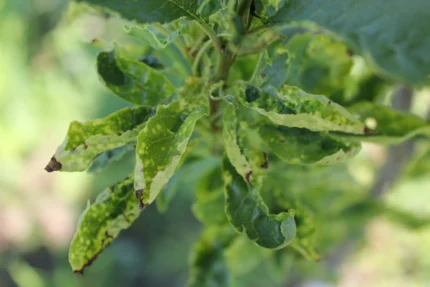
- Yellow or brown leaves.
- Thinning foliage or bare areas in the canopy.
- Leaves dropping earlier than expected.
- Dead branches or branch dieback.
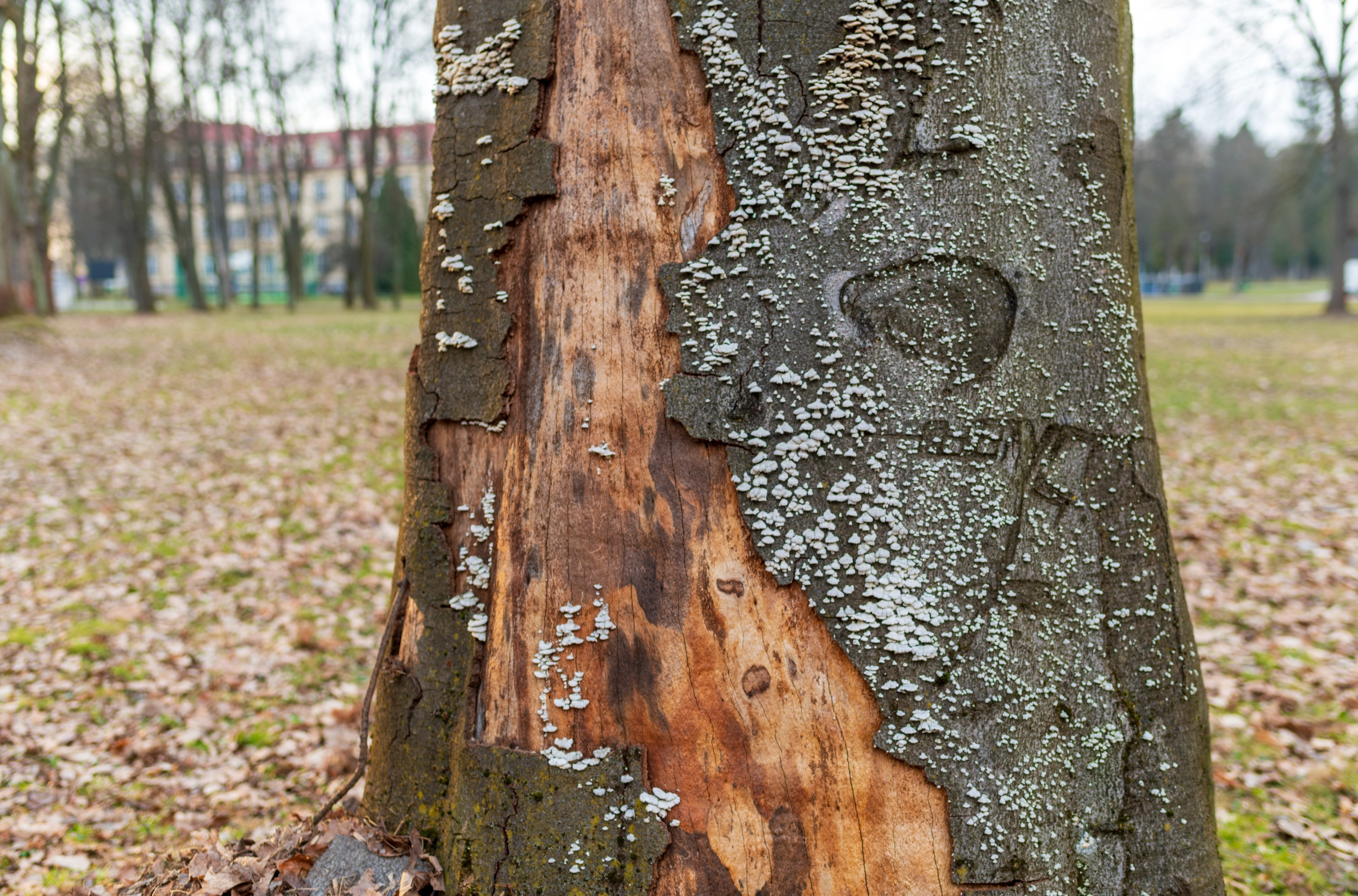
- Cracks, peeling bark, or other trunk damage.
- Small holes in the trunk or branches.
- Unusual growths, spots, or discoloration.
- Excessive sap or liquid coming from the tree.
- Mushrooms or other fungal growth near the tree’s base.
If a tree is declining rapidly, developing extensive branch dieback, or showing significant trunk or root problems, it should be evaluated by a qualified arborist.
What Could Be Causing Your Tree’s Problems?
A sick-looking tree doesn’t necessarily have a disease or pest problem. Drought, soil issues, root damage, and other environmental stresses can cause similar symptoms, so appearance alone may not reveal the cause.
Watering problems are another possibility. Both overwatering and underwatering can cause yellowing, browning, wilting, or premature leaf drop. Checking the soil and recent weather can provide useful clues. Other possible causes include:
- Root Damage: Construction, soil compaction, landscaping work, or other disturbances can damage roots.
- Poor Soil Conditions: Compaction, drainage problems, or nutrient issues can affect tree health.
- Weather Stress: Drought, heat, storms, and temperature extremes can weaken trees.
- Improper Pruning: Incorrect pruning can damage branches and create opportunities for decay or disease.
- Pests and Diseases: Insects and pathogens can damage leaves, bark, branches, roots, and other parts of a tree.
Because these causes can overlap, treating a tree before determining what’s actually wrong can be ineffective.
What Is Wrong With My Tree?
If you’re trying to determine what is wrong with a tree, look at the entire tree rather than focusing on one symptom. Examine the canopy, branches, trunk, root flare, and surrounding soil. Consider when the problem started and whether it affects new growth, older growth, one branch, or the entire tree.
Look for clues such as insect activity, holes in the bark, sawdust-like material, unusual growth, leaf spots, sticky substances, bark damage, or changes in the soil. Even a careful inspection may not reveal the exact cause. Tree health problems can be difficult to diagnose because different conditions can produce similar symptoms.
Common Tree Diseases in the Bay Area
Several tree diseases can affect trees throughout the Bay Area, and many can cause symptoms that look similar to other health problems. Some of the more common diseases and conditions include:
- Sudden Oak Death: Found in Santa Clara County, this disease can cause serious decline in susceptible oak trees. Because its symptoms can resemble other problems, professional or laboratory testing may be needed for confirmation.
- Anthracnose: This fungal disease can cause leaf spots, premature leaf drop, twig damage, and branch dieback.
- Powdery Mildew: Often appears as a white, powdery coating on leaves and can cause distorted or weakened growth.
- Fire Blight: Primarily affects apple and pear trees, causing leaves, branches, and fruit to develop a scorched or burned appearance.
Treatment depends on the disease, tree species, severity, and growing conditions. Rather than treating a symptom without knowing the cause, have an arborist diagnose the problem and recommend the appropriate approach.
Common Bay Area Tree Pests
Insects can cause a variety of tree health problems, from damaged leaves to branch dieback. Some of the pests that may affect trees in the Bay Area include:
- Invasive Shot Hole Borers: These small beetles bore into trees and introduce Fusarium fungus. Look for tiny, round entry holes, staining, pale or wilted leaves, and branch dieback. Suspected infestations on private property should be evaluated by a licensed arborist.
- Bark Beetles: These pests tunnel beneath bark and can cause holes, boring dust, bark damage, and declining or dead branches.
- Aphids: Aphids feed on leaves and twigs and may cause yellowing, curling, or distorted growth. Their sticky honeydew can also encourage sooty mold.
- Scale Insects: Scale can appear as small bumps on leaves, branches, or bark. These pests feed on plant fluids and can weaken trees when populations become heavy.
Since pest damage can resemble disease or environmental stress, identifying the pest is essential before deciding how to treat the tree.
How Are Tree Pests Treated and Prevented?
The best way to manage a tree pest depends on the type of insect, the tree species, and how severe the infestation has become. Some pests are attracted to trees that are already stressed by drought, injury, or other environmental conditions, while others may affect otherwise healthy trees. Proper identification is important because treating the wrong pest may not solve the problem and can place additional stress on the tree.
Professional treatment may include targeted insecticides, specialized pruning, or other methods designed to manage the pest while protecting the health of the tree. In some cases, severely infested or damaged trees may not be treatable and removal may be necessary.
Keeping trees healthy can also help reduce their vulnerability to some pests. Proper watering, appropriate pruning, good growing conditions, and regular inspections can help identify problems before they become more severe. If you notice unusual holes, sawdust-like material, sticky residue, branch dieback, or other signs of insect activity, have an arborist identify the pest and recommend the appropriate treatment.
Why Is Diagnosing Tree Health Important?
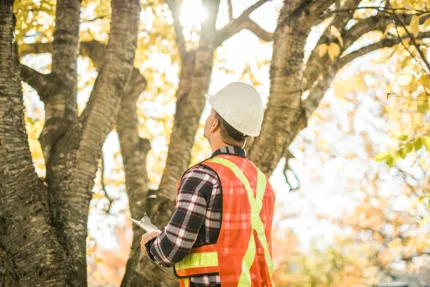
Knowing that a tree looks unhealthy is one thing; determining what is wrong with it is another. An arborist can examine the tree as a whole to help identify the cause of the problem.
An arborist can evaluate the species, canopy, branches, trunk, roots, soil, structure, and surrounding environment while looking for signs of pests, disease, decay, or other stress. This can help determine whether the problem can be corrected with proper care or requires specialized treatment.
If you’re unsure whether your tree is sick, dying, or dealing with a pest infestation, professional diagnosis can help prevent treating the wrong problem and determine the best next step.
Can a Sick or Dying Tree Be Saved?
A sick tree may not be a dying tree. When the underlying problem is diagnosed early, professional tree care may help address watering issues, poor growing conditions, pests, disease, or damaged branches and give the tree a chance to recover.
Some trees, however, may be too severely damaged to save. Extensive decay, serious root damage, severe pest infestations, or structural problems may make tree removal necessary. An early tree health assessment can help determine whether treatment or removal is the best option.
Expert Tree Health Diagnosis in San Jose, CA
If you have a sick tree, dying tree, or simply can’t determine what is wrong with your tree, don’t wait for the problem to become more serious. Aly’s Tree Trimming & Yard Clean Up provides professional tree care and health assessments in San Jose, CA and the surrounding area.
Our ISA-certified arborists can evaluate your tree for signs of pests, disease, environmental stress, structural problems, and other causes of decline. We’ll help you understand what may be affecting your tree and what options may be available.
Call Aly’s Tree Trimming & Yard Clean Up today to help your sick or dying tree before it is too late.